For three decades, the question that decided whether a Nigerian factory could run on gas was geographic: is there a pipeline nearby? If the answer was no — and for most industrial clusters outside Lagos, Ogun and parts of Rivers it was no — the plant ran on diesel or LPFO, absorbed the price volatility, and treated energy as an uncontrollable line item.
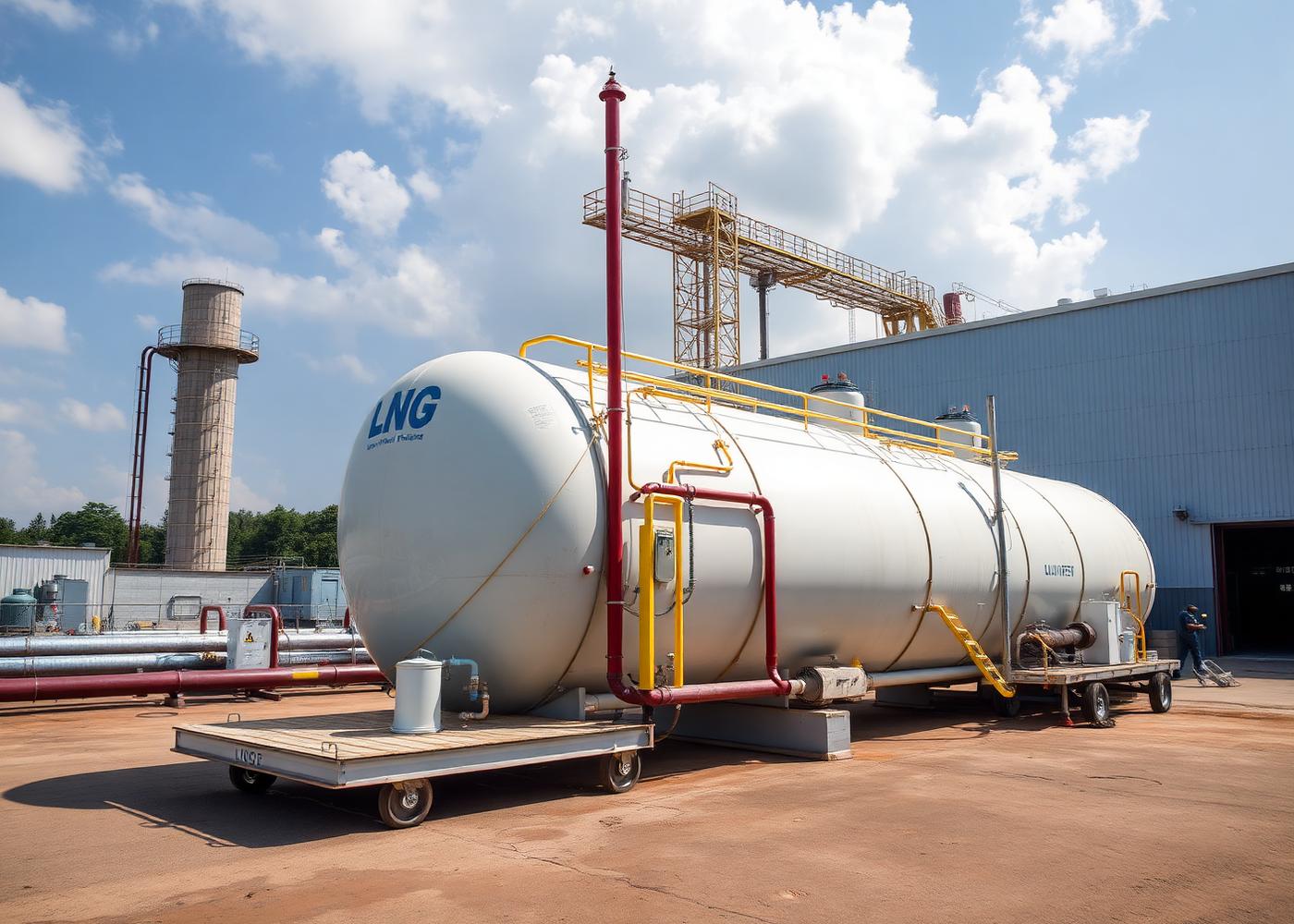
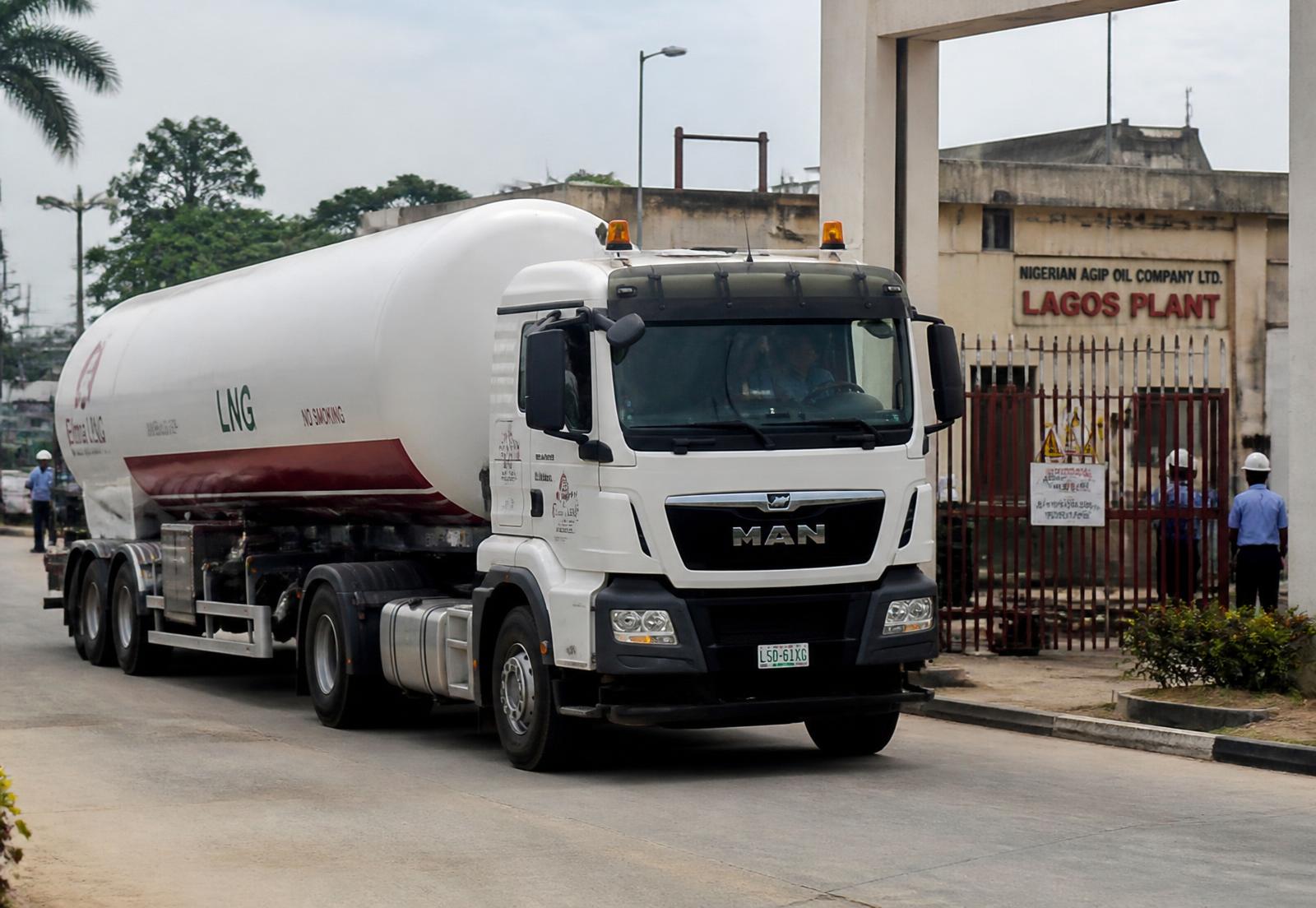
Small-scale LNG breaks that dependency. Once gas is liquefied it occupies roughly 1/600th of its gaseous volume, which means a single road tanker can carry a meaningful quantity of energy to a site that no distribution pipeline will reach for a decade. The pipeline stops being infrastructure you wait for and becomes a service that arrives on a schedule.
What actually changes in the cost stack
Fuel switching is rarely decided on headline price per litre versus price per MMBtu. It is decided on delivered cost of useful heat, plus the operational overheads that diesel quietly imposes: pilferage, filtration, injector maintenance, generator derating, storage losses and the working capital tied up in tank farms.
- Delivered energy cost: LNG is priced per MMBtu at the burner tip, not per litre at the gate, which makes efficiency gains visible in the invoice.
- Maintenance: gas-fired boilers and gensets run cleaner, extending service intervals and reducing unplanned downtime.
- Emissions: switching from diesel or LPFO to natural gas materially reduces CO2, SOx and particulates per unit of heat.
- Predictability: contracted volumes with scheduled deliveries replace spot diesel purchasing at market peaks.
The logistics question
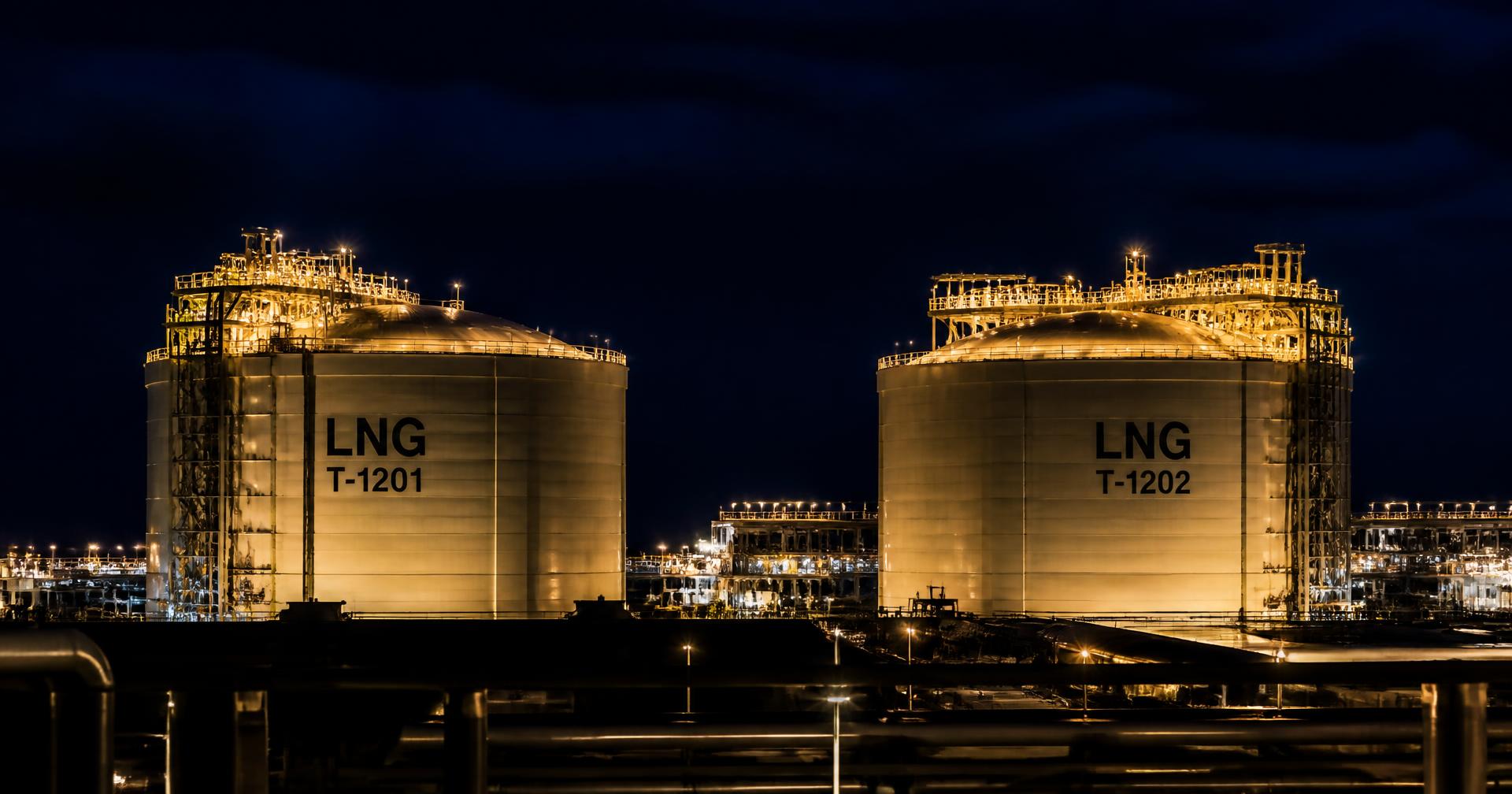
A virtual pipeline is only as credible as its worst delivery week. That is why supply reliability is an engineering problem before it is a commercial one: liquefaction uptime, storage buffer at the plant, tanker fleet availability, route redundancy across the Delta and South-West corridors, and on-site storage sized so a customer never runs to zero waiting on a truck.
“The customer does not buy LNG. They buy the certainty that the boiler lights tomorrow morning.”
Who this suits today
The strongest candidates are continuous-process plants burning above roughly 2,000 litres of diesel a day — food and beverage, textiles, ceramics, pharmaceuticals, cement grinding, and industrial parks where several tenants can share one storage and regasification installation. For those sites, the conversion window is typically four to eight weeks, and the payback comes from the operating spread, not from a subsidy.
The pipeline was never the point. Reliable molecules at a predictable price were. Virtual pipeline delivery is simply the shortest route to that outcome for industry that cannot wait for grid gas.