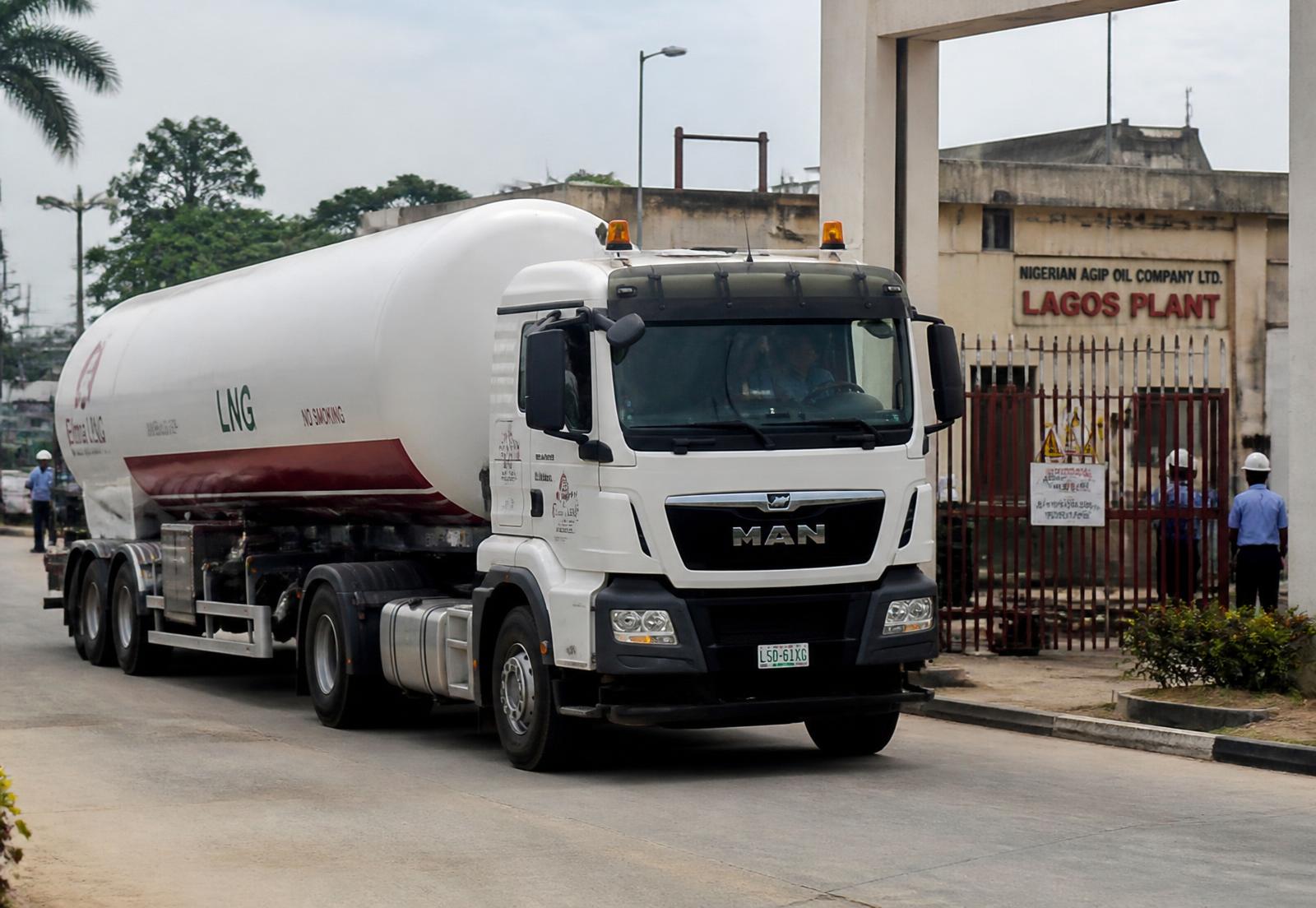
A cryogenic road tanker is a well-understood piece of engineering. The variable is the road. Across 400km of Nigerian corridor, the dominant risks are not the cargo's temperature — they are other vehicles, night driving, fatigue, poor surfaces and unplanned stops. Our safety system is therefore built around the journey, not just the vessel.
Journey management
- Every trip is planned and authorised before dispatch, with defined routes, rest points and no-go periods.
- Night movement is restricted; departures are scheduled so deliveries complete within daylight windows.
- Live telematics monitor speed, harsh braking, idling and route deviation, with intervention thresholds rather than after-the-fact reports.
- Driver hours are capped and enforced, with mandated rest between rotations.
Competence before equipment
Drivers are trained on cryogenic hazards specifically: cold burns, oxygen displacement, pressure build-up in a static tank, and correct venting procedure. Cryogenic gloves, face shields and long-sleeve protection are mandatory during any coupling or decanting operation — and supervised, because PPE discipline decays without observation.
“The target is not zero incidents on paper. It is a fleet where the safest action is also the easiest one for the driver to take.”
At the customer gate
Offloading is where two organisations' safety cultures meet. Every site receives a pre-delivery assessment covering access, turning radius, exclusion zones, grounding, and emergency isolation. Deliveries follow a fixed sequence with a documented checklist, and any deviation stops the operation. Uneventful is the entire objective.