Most plant managers expect a fuel switch to mean a shutdown. In practice, the majority of the work on an LNG conversion happens outside the production envelope — civil works, skid placement and pipe runs proceed while the plant keeps burning diesel. The changeover itself is usually measured in hours.
Week 1-2: survey and sizing
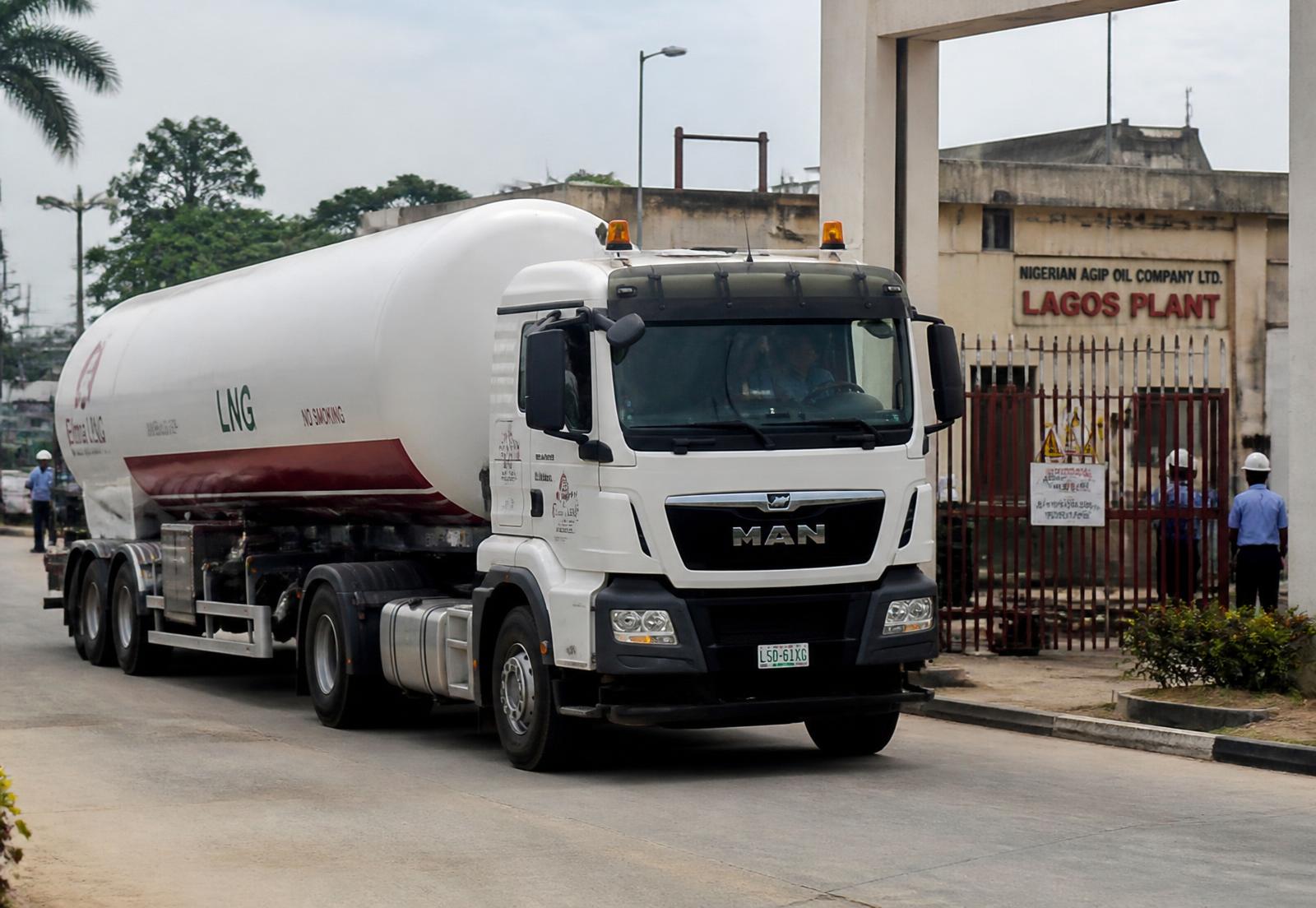
We start from consumption data, not nameplate ratings: twelve months of diesel purchases, shift patterns, peak steam demand and seasonality. That determines storage tank size, vaporiser capacity and delivery frequency. Undersized storage is the most common cause of a poor customer experience, so the buffer is specified against the worst plausible logistics week, not the average one.
Week 2-5: installation
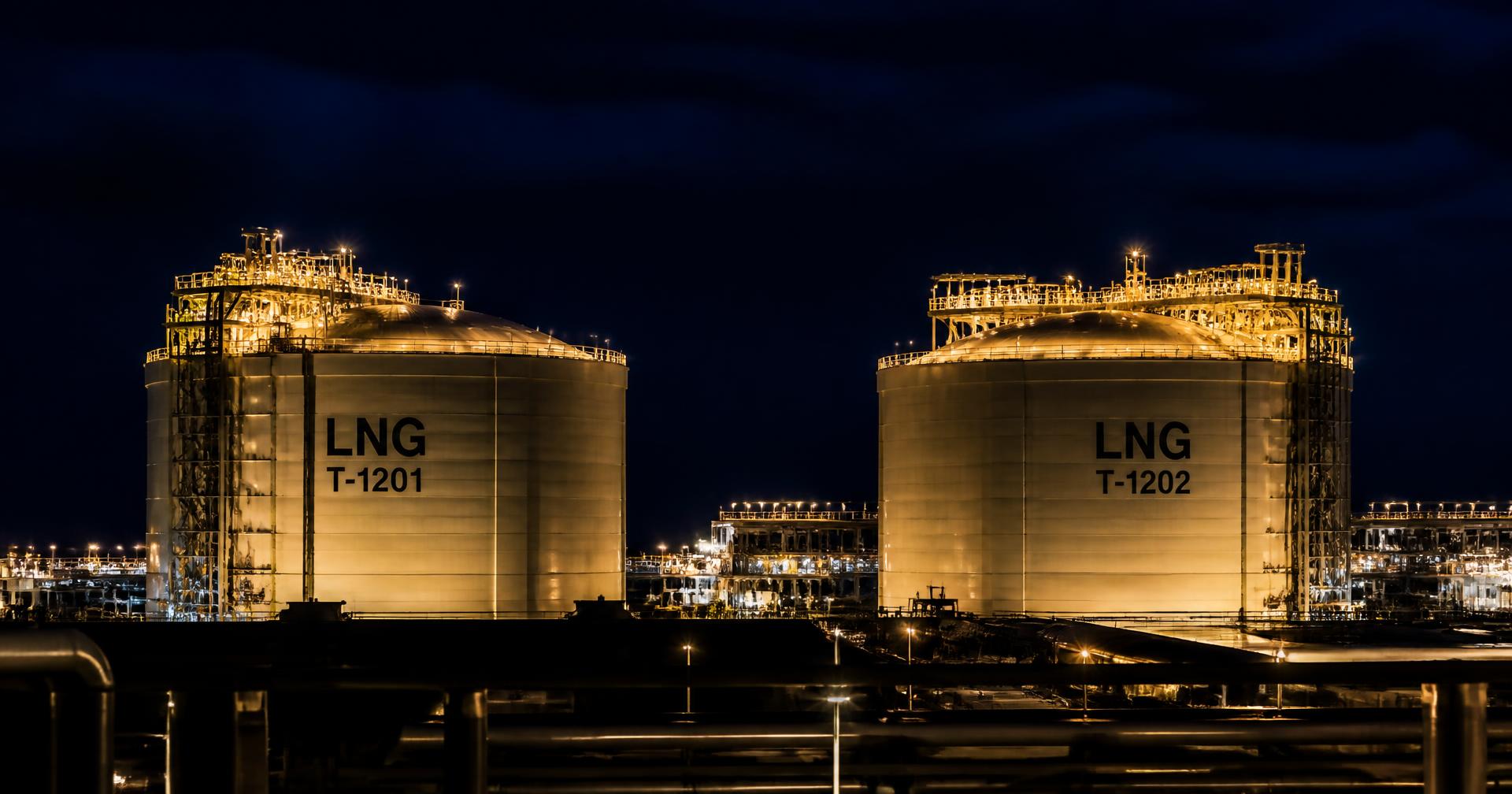
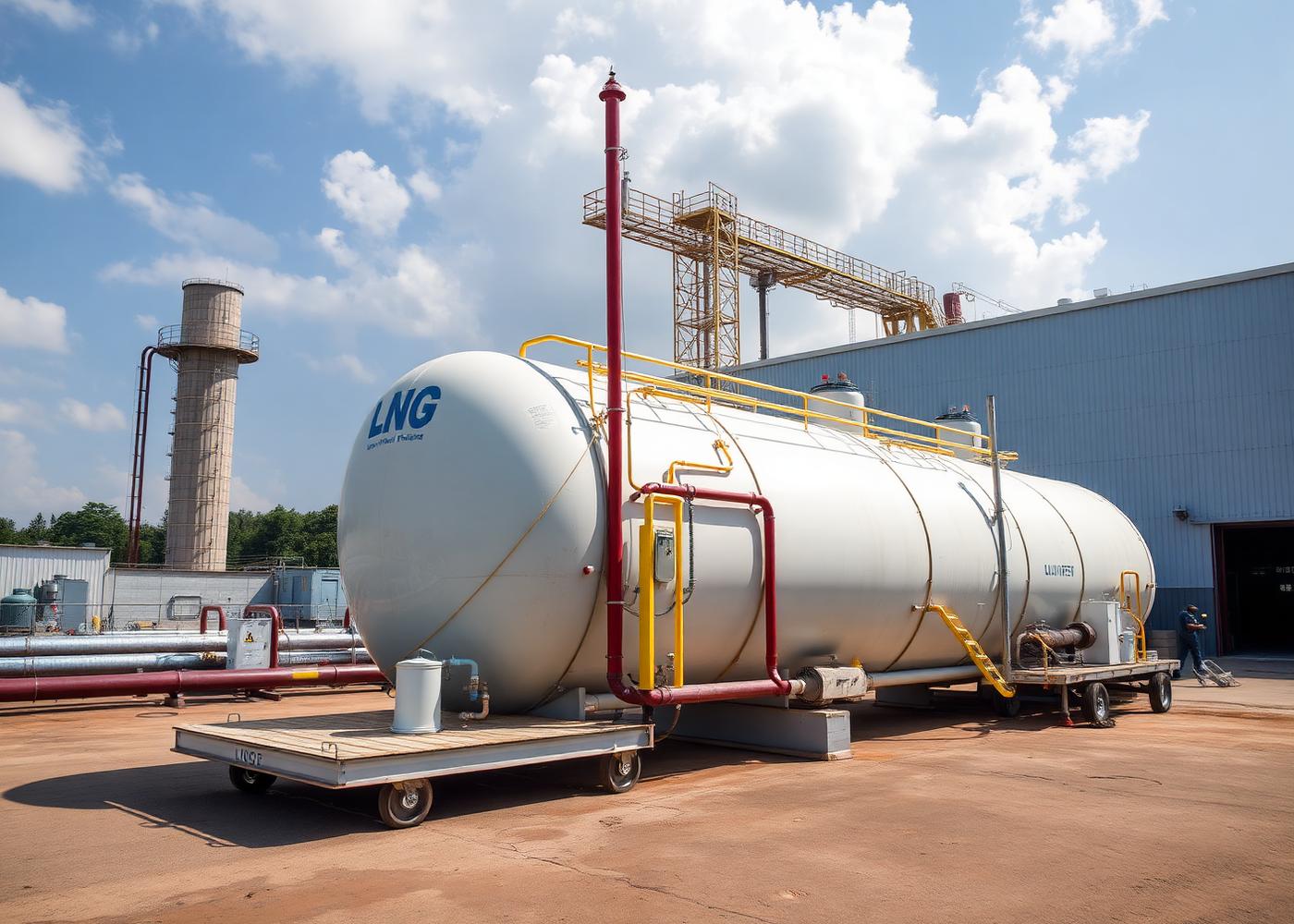
- Concrete plinth, bollards and fire-safe separation distances for the cryogenic tank.
- Ambient air vaporiser and pressure-regulating skid with dual-stream redundancy on critical loads.
- Carbon steel gas train to the boiler house, with isolation valves, filtration and a fiscal-grade meter.
- Gas detection, emergency shutdown valves and interlocks tied into the plant's existing safety system.
Week 5-6: burner conversion and commissioning
Dual-fuel burners are retained where the customer wants a diesel fallback; otherwise burners are converted or replaced and re-tuned for gas. Combustion is optimised on an analyser — excess air, flue gas temperature and CO are trimmed until the plant is genuinely more efficient than it was on liquid fuel, rather than merely cheaper per unit.
“A conversion is only successful if the operators trust it by the second week. That means training, clear procedures and metering they can read themselves.”
What the floor notices
Cleaner boiler tubes and longer intervals between de-sooting. No fuel filtration schedule and no sludge. No overnight diesel losses. Steam pressure that holds through shift changes because supply is continuous rather than tank-to-tank. And an energy cost per tonne of steam that finally appears on a dashboard instead of in a monthly reconciliation.